10 Educational Benefits of LEGO for Kids (STEM Learning Through Play)
The Educational Benefits of LEGO: Why Building Bricks Are One of the Best Learning Toys for Kids
Parents today are often searching for toys that are not only fun but also support real learning and development.
LEGO is one of the rare toys that accomplishes both.
What looks like simple play is actually powerful learning. When children build with LEGO, they develop problem-solving skills, creativity, patience, spatial reasoning, and fine motor coordination.
In our home, LEGO has become one of the most valuable tools for creative play and homeschooling.
Here’s why LEGO remains one of the best educational toys for children.
10 Educational Benefits of LEGO (Backed by Child Development Research)
Experts in child development often emphasize the importance of hands-on, open-ended play for cognitive growth. LEGO naturally supports many of these skills.
1. Develops Problem-Solving Skills
Every LEGO build requires children to think critically and experiment with solutions.
Kids naturally ask:
• Why did this fall?
• What piece will fit here?
• How can I make this stronger?
This type of trial-and-error thinking strengthens analytical reasoning and resilience.
2. Encourages Creativity and Imagination
Unlike toys with only one purpose, LEGO encourages open-ended creativity.
A pile of bricks can become:
• castles
• bakeries
• animals
• vehicles
• entire imaginary cities
Creative play supports innovation, storytelling, and flexible thinking.
3. Improves Fine Motor Skills
LEGO pieces require precise hand movements, strengthening:
• finger dexterity
• hand-eye coordination
• grip strength
These skills are essential for writing, drawing, and everyday tasks.
4. Introduces STEM Learning
LEGO naturally introduces children to Science, Technology, Engineering, and Math concepts.
While building, kids explore:
• balance and gravity
• structural engineering
• spatial reasoning
• patterns and symmetry
Many schools now use LEGO as part of early engineering education.
5. Builds Patience and Perseverance
When a structure collapses or instructions are tricky, kids must try again.
This teaches:
• persistence
• patience
• focus
Learning that mistakes are part of the process is incredibly valuable.
6. Strengthens Spatial Awareness
Building structures helps children understand:
• shapes
• angles
• proportions
• spatial relationships
These skills are foundational for math, architecture, and engineering thinking.
7. Encourages Collaboration
When children build together, they practice:
• communication
• teamwork
• sharing ideas
Group building projects can turn into wonderful cooperative learning experiences.
8. Supports Emotional Development
Creative play helps children express emotions and process experiences through storytelling and imaginative worlds.
9. Encourages Independent Learning
LEGO allows children to explore ideas at their own pace, building confidence in their own creativity and problem-solving abilities.
10. Promotes Deep Focus
Many parents notice that children can stay absorbed in LEGO building for long periods of time.
This kind of focused play supports attention span and concentration.
How We Use LEGO in Our Homeschool
As a homeschooling family, LEGO has become one of our favorite learning tools. What looks like simple play often turns into some of the most meaningful learning moments of the day.
Engineering Challenges
Sometimes I give my kids small building challenges like:
• Build the tallest tower you can
• Design a bridge that can hold a book
• Create a house with three rooms
• Build a vehicle that can roll
These activities encourage engineering thinking and problem-solving.
Storytelling and Creative Writing
After building something, I often ask questions like:
• Who lives here?
• What adventure are they going on?
• What problem do they need to solve?
This helps develop imagination, storytelling, and language skills.
Learning Math Through Play
LEGO is wonderful for reinforcing early math concepts.
We practice:
• counting bricks
• creating patterns
• comparing sizes
• simple addition
Learning through play makes math feel natural and enjoyable.
Practicing Patience and Focus
Following instructions for larger builds teaches children to slow down and think carefully.
This helps develop patience and perseverance, important traits for learning.
Encouraging Independent Creativity
Sometimes I simply give the kids a large bin of bricks and say:
“Build anything you can imagine.”
Open-ended building encourages independence, creativity, and confidence.
LEGO Sets We Love for Creative Learning:
Here are a few LEGO sets we recently added to our home that are wonderful for encouraging creativity and learning:
LEGO Cherry Blossoms Building Set
This beautiful set encourages careful building and attention to detail.
It’s a lovely way to introduce children to artistic and decorative LEGO builds and something that looks really pretty to display in your kids room.

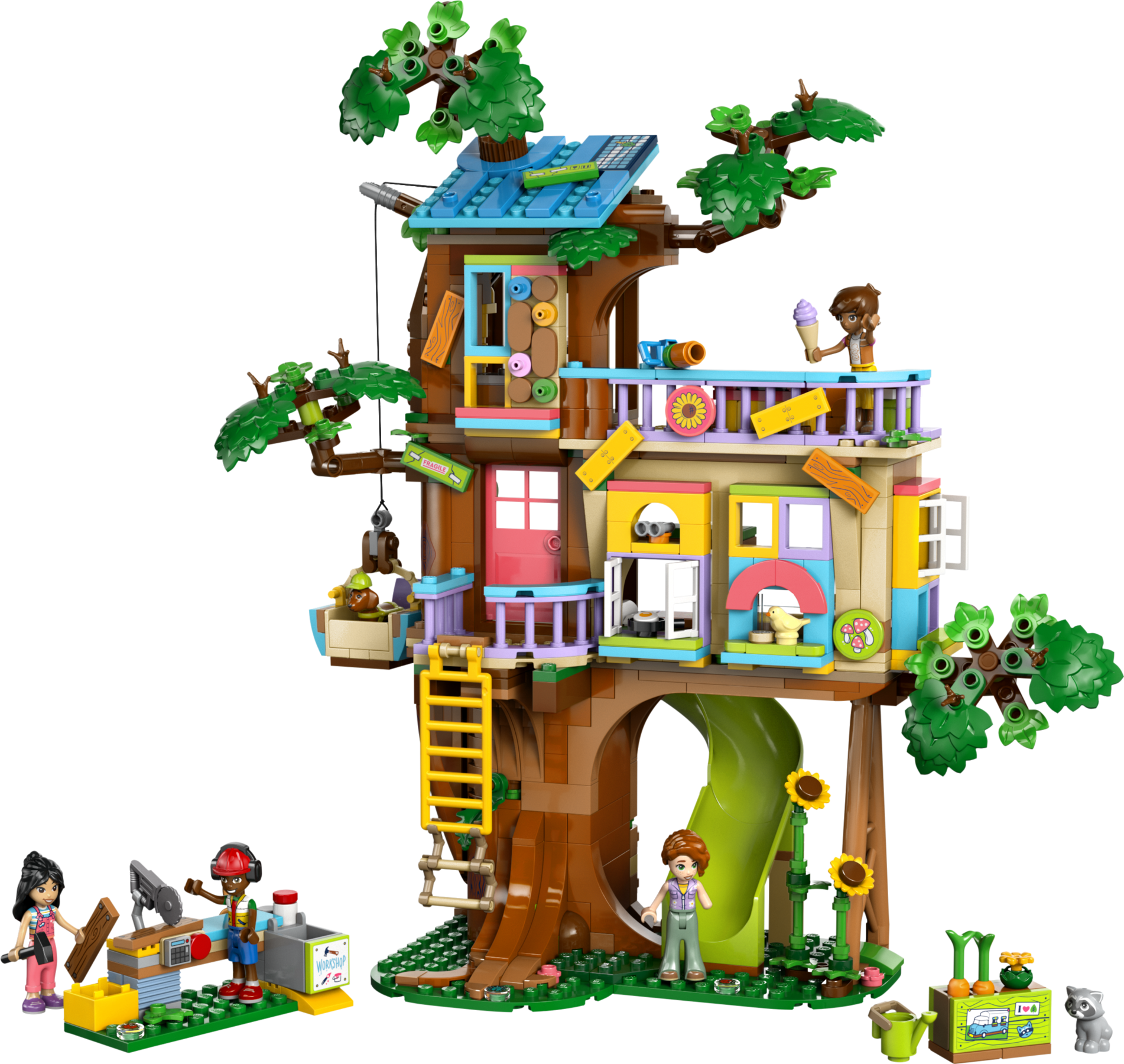
LEGO Friends Tree House
One of the things I love about the LEGO Friends Treehouse set is how naturally it inspires imaginative play. Treehouses already feel magical to children, and this set gives them a cozy little world where their characters can explore, invent stories, and create adventures together.
For homeschool families, imaginative play like this is actually an important form of learning. As kids build stories around the characters and space, they practice language skills, creativity, and social thinking.
See the set here
Why LEGO Is Worth Investing In
Many toys lose their appeal quickly.
LEGO is different.
Children return to it again and again because every build can become something new.
A simple box of bricks might become a castle today, a spaceship tomorrow, and an entire imaginary city next week.
That kind of open-ended learning through play is incredibly valuable for childhood development.
Final Thoughts
If you’re looking for toys that support real learning while still being fun, LEGO is a really nice option. We find the kids reach for it time and time again and get lost in games together.
Building with LEGO helps children develop:
• creativity
• problem-solving
• patience
• engineering thinking
• fine motor skills
Sometimes the simplest toys create the most meaningful learning experiences.
And LEGO is a perfect example of that.